Skip to content

What Are Lingual Braces? Behind-the-Teeth Orthodontics Explained

A beautifully discreet orthodontic option, lingual braces sit behind your teeth so your smile design stays front and center while alignment improves. In our San Jose approach to aesthetic orthodontics, we plan each movement with a sculptor’s eye for balance, harmony, and refined facial proportions. This guide explains how lingual braces work, who they fit best, and what daily life feels like during treatment.
- Hidden placement for a more seamless, camera ready look
- Custom designed mechanics for precise tooth movement
- Clear expectations for comfort, speech, and care
What Are Lingual Braces and How Do They Work?
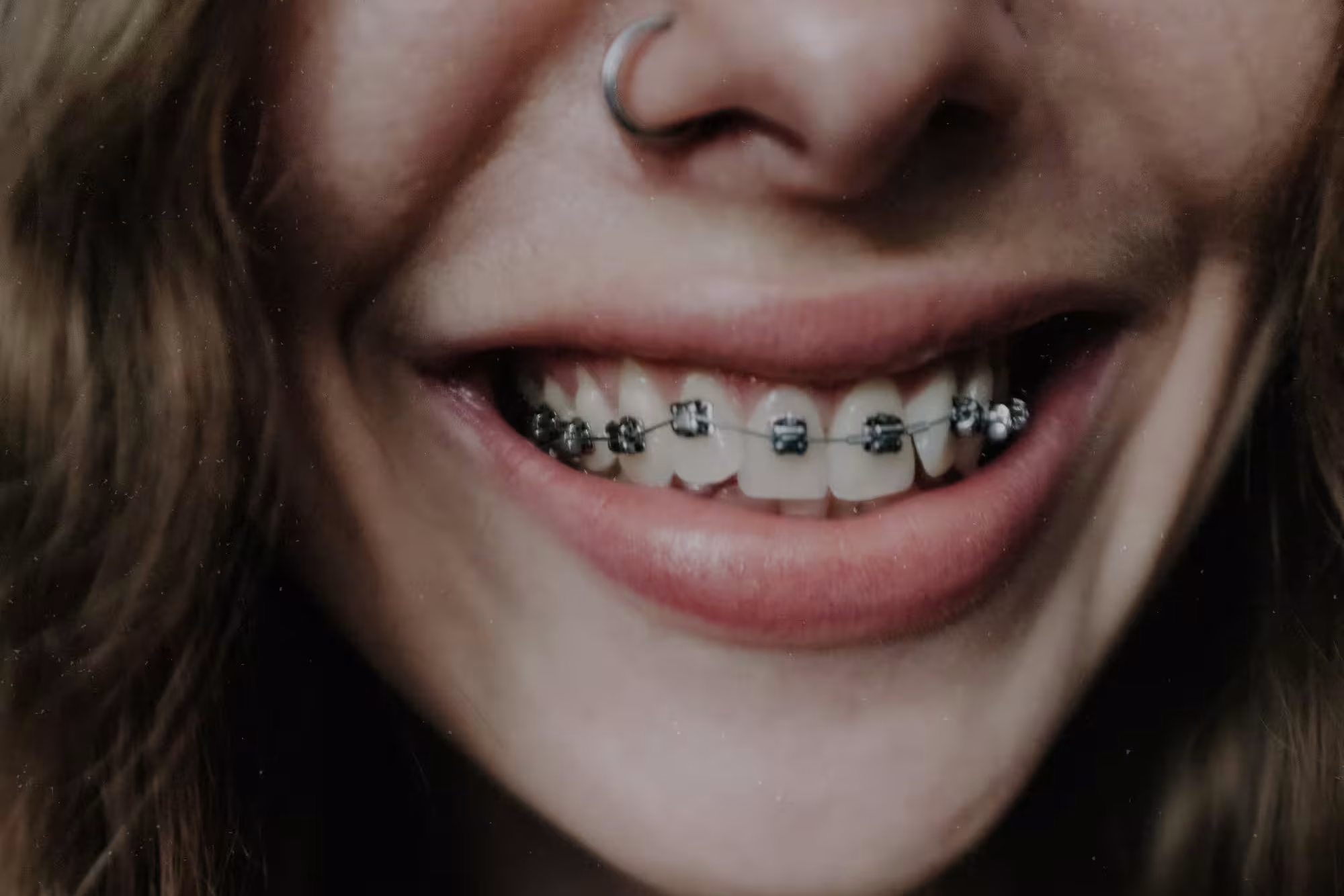
Lingual braces are fixed braces bonded to the tongue side of your teeth, making them far less visible than front placed brackets. Because the mechanics are tucked behind the smile line, lingual braces can deliver comprehensive correction while preserving a sophisticated appearance.
At Rafati Orthodontics, we treat tooth movement like a crafted composition. Digital records and careful planning help us sculpt a smile that supports facial harmony, not just straighter teeth. If you would like context on alternatives, explore our overview of Types of Braces and the details on Parts of Braces.
Benefits and Tradeoffs for Discreet Smile Design
For many adults and image conscious professionals, lingual braces feel like the most elegant way to align teeth without advertising treatment. They can also be a strong option when clear aligners are not ideal for complex movements.
Key advantages and considerations include:
- Discreet appearance since brackets sit behind the teeth
- Highly controlled tooth movement similar to traditional braces
- A short adjustment period for speech and tongue comfort
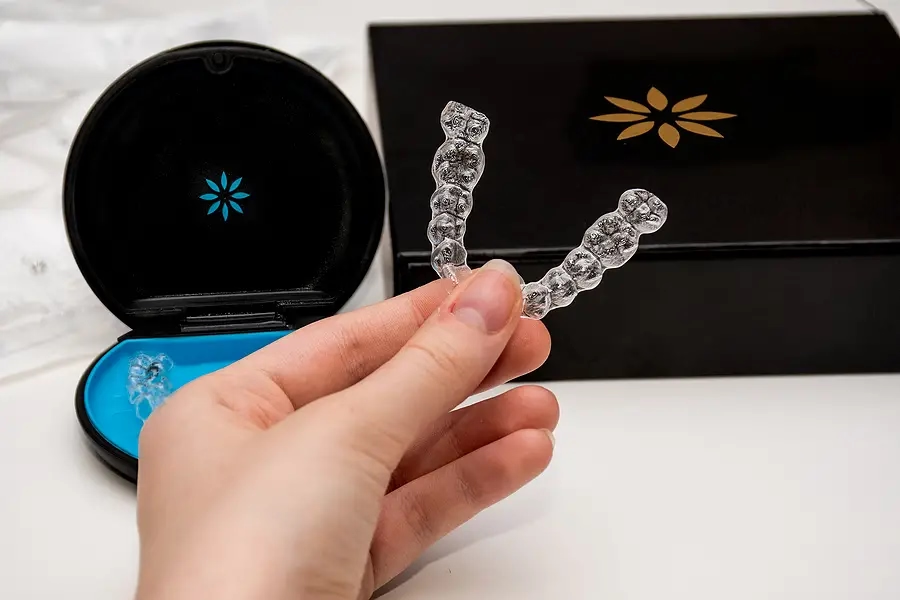
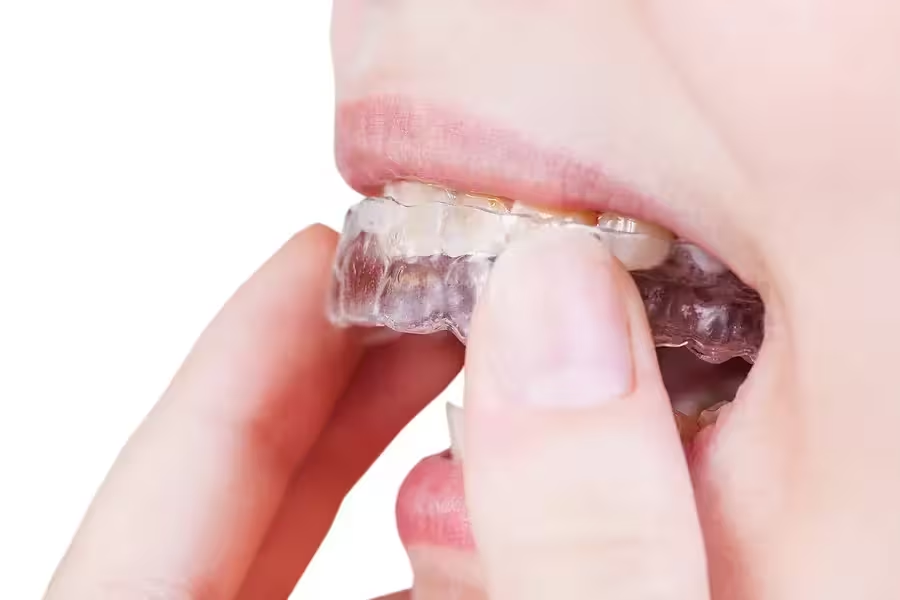
If you are comparing discreet options, you may also like Invisalign and this helpful read, Invisalign vs Traditional Braces Which Is Right for You.
Who Is a Good Candidate in San Jose?
Choosing lingual braces is a personalized decision, and the best starting point is a consultation with an orthodontist in San Jose who prioritizes aesthetic detail. Lingual braces often suit patients with healthy gum support, adequate tooth height for bonding, and goals that favor discreet treatment. They can address crowding, spacing, and many bite issues, though certain severe jaw discrepancies may require coordinated care.
As an orthodontist in San Jose focused on smile design, Dr. Sima Rafati evaluates how teeth, lips, and facial proportions work together. To understand candidacy more broadly, see Who Is a Good Candidate for Orthodontics and prepare for your visit with New Patients.
What Treatment and Care Feel Like Day to Day
Lingual braces typically require a brief adaptation phase. Your tongue may feel the brackets at first, and some patients notice a temporary lisp that improves as speech patterns adjust. Eating is similar to other braces, but careful choices protect the hardware and keep progress meticulous.
For practical care guidance, focus on:
- Consistent brushing and flossing around brackets and wires
- Food choices that minimize breakage and irritation
- Calling promptly if a bracket loosens or discomfort spikes
Helpful resources include Foods to Avoid and The Ultimate Guide to Keeping Your Teeth and Aligners Clean With These Simple Tips.
The Digital Planning Advantage for Precision
Because lingual braces live behind the teeth, precision planning matters. Digital imaging and careful bracket positioning help create a predictable path that refines alignment while supporting facial harmony. This is where aesthetic orthodontics becomes both engineering and art, with each adjustment guided by proportion and balance.
Areas We Serve and Next Steps
Our office welcomes patients throughout San Jose and nearby communities, including Downtown San Jose, Willow Glen, Almaden Valley, Cambrian, Blossom Valley, Evergreen, Santa Clara, Campbell, Cupertino, Milpitas, Los Gatos, and Saratoga. If you want to see how our approach differs, start with Experience the Difference at Rafati Orthodontics and review what to expect at an Orthodontic Consultation in San Jose CA.
Protecting Your Finished Result
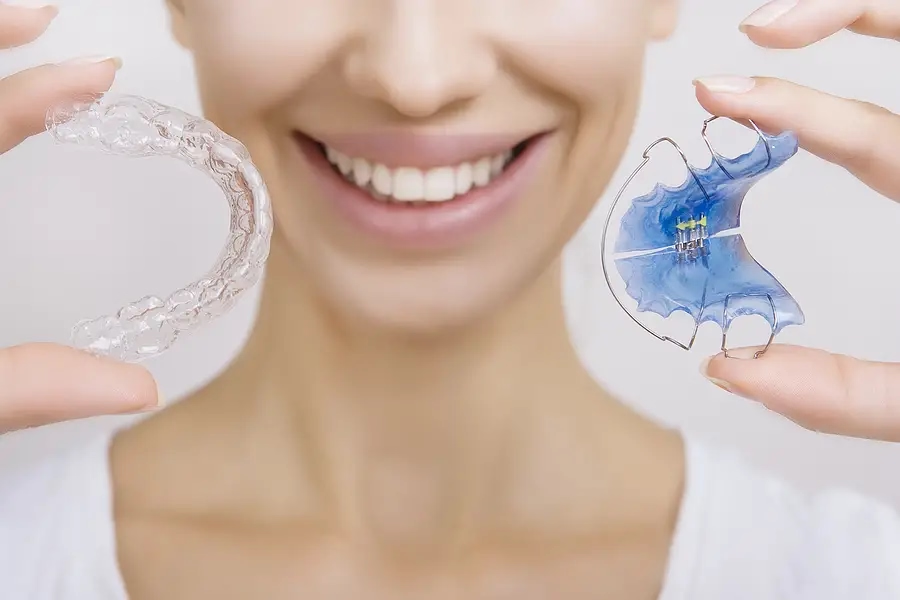
After lingual braces, retention preserves your new alignment like a final seal on a masterwork. Long term stability depends on wearing retainers as prescribed, especially in the first year. For deeper insight, read The Role of Retainers in Orthodontic Treatment.